
How to Create Strong Food Safety Management Systems
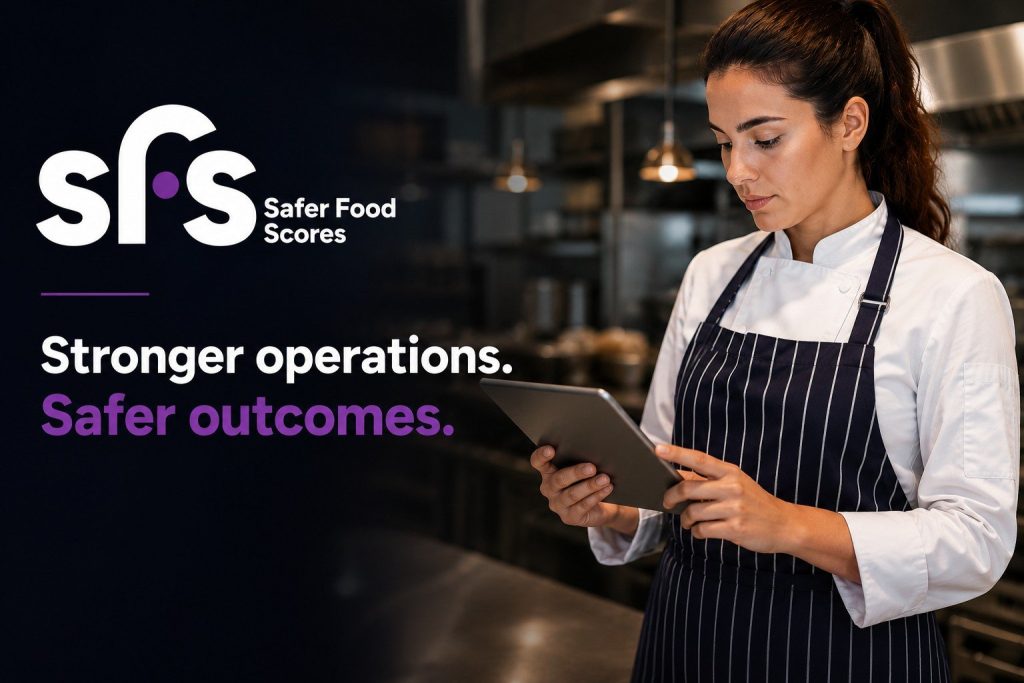
Strong Food Safety Management Systems begin with understanding food processes and identifying where food safety risks exist. Once these risks have been identified, appropriate controls can be implemented to manage them effectively and reduce the likelihood of food safety incidents.
Daily monitoring and verification activities help ensure that controls remain effective, while independent audits provide objective reassurance that the system is working as intended. By moving risk assessments, daily checks and audits online, businesses gain greater operational visibility, particularly when managing multiple sites. Digital systems also improve reporting, accountability and inspection readiness.
Together, these elements create a robust Food Safety Management System that protects customers, supports compliance, strengthens operational confidence and provides a solid foundation for sustainable business growth.
Many food businesses do not struggle because they lack standards.
They struggle because operational pressure, inconsistent processes and limited visibility make consistency difficult to maintain at scale.
As businesses grow, teams become busier, staffing challenges increase and managers spend more time firefighting operational issues. Paperwork becomes difficult to manage, standards drift between sites and confidence in food safety compliance starts to weaken.
For hospitality groups, care homes, manufacturers and multi-site operators, the challenge is rarely a lack of effort.
The challenge is maintaining operational consistency while effectively controlling food safety risks across multiple locations, busy teams and growing operational complexity.
At Safer Food Scores, we regularly support businesses experiencing the same operational frustrations:
- Fear of failing inspections
- Inconsistent standards between sites
- Paperwork becoming unmanageable
- Managers struggling to maintain processes
- Incidents not being tracked effectively
- Difficulty scaling operations confidently
The good news is that many food safety compliance challenges are actually operational visibility challenges. With the right systems, processes and support, businesses can significantly improve consistency, accountability and performance.
Fear of Failing Food Safety Inspections
One of the biggest concerns for food businesses is inspection readiness.
Many teams feel confident during normal operations, but during busy service periods, staffing shortages or operational disruption, standards can quickly become inconsistent.
Common issues include:
- Incomplete records
- Missing daily checks
- Inconsistent corrective actions
- Allergen management gaps
- Poor visibility across multiple sites
The issue is often not commitment from teams.
It is that operators and managers do not always have clear visibility across every shift, location and operational process.
We regularly see businesses spending valuable time chasing paperwork and reacting to issues after they occur rather than identifying risks proactively.
How Strong Food Safety Management Systems Help
Effective Food Safety Management Systems improve:
- Operational visibility
- Accountability
- Inspection readiness
- Compliance consistency
- Risk management
Digital monitoring, structured reporting and stronger oversight help identify problems before inspections occur.
The result is improved operational confidence, reduced management stress and stronger day-to-day compliance.
Daily Food Safety Monitoring Creates Confidence
Food Safety Management Systems are only effective when controls are monitored consistently.
Daily checks provide assurance that critical food safety controls remain in place and that issues are identified before they develop into larger operational risks.
Effective food safety monitoring helps businesses:
- Identify issues early
- Improve accountability
- Maintain HACCP compliance
- Strengthen inspection readiness
- Reduce operational risk
Consistent daily monitoring creates confidence for managers, auditors, regulators and customers.
Inconsistent Standards Across Multiple Sites
As businesses grow, maintaining consistency across multiple sites becomes significantly harder.
Different managers, teams, shifts and operational habits often result in varying standards between locations.
This can create:
- Inconsistent compliance
- Operational confusion
- Different audit outcomes
- Reduced accountability
- Increased risk
Without a structured Food Safety Management System, businesses can quickly lose visibility and control.
Why Standardisation Matters
Strong food safety compliance systems help businesses establish:
- Clear operating procedures
- Central oversight
- Structured reporting
- Consistent training
- Stronger accountability
For multi-site operators, consistency is essential for protecting brand reputation, supporting growth and maintaining customer trust.
When Food Safety Paperwork Becomes Unmanageable
Paper-based systems can work effectively for smaller operations.
However, as businesses become busier and operationally more complex, paperwork quickly becomes difficult to manage.
Managers often spend valuable time:
- Chasing records
- Checking folders
- Reviewing paperwork manually
- Searching for missing information
This creates:
- Wasted time
- Operational frustration
- Reduced visibility
- Increased compliance risk
Moving Beyond Paper-Based Systems
Modern food safety software simplifies:
- Daily monitoring
- Corrective actions
- Reporting
- Audit preparation
- Compliance management
The objective is not simply replacing paper records with digital records.
The objective is creating systems that support busy operational environments and improve visibility across the organisation.
Why Managers Struggle to Maintain Food Safety Processes
Many businesses assume operational problems are caused by poor management.
In reality, managers are balancing:
- Staffing pressures
- Customer service
- Supplier issues
- Training
- Audits
- Operational performance
When systems are complicated, time-consuming or difficult to access, processes are more likely to break down during busy operational periods.
Practical Systems Improve Compliance
Food safety systems should work in real operational environments.
Simple, practical and structured systems improve:
- Accountability
- Consistency
- Engagement
- Process completion
They also help managers understand how to identify risks proactively and maintain standards under pressure.
Incident Reporting and Food Safety Risk Management
Without effective incident reporting and operational visibility, businesses often struggle to:
- Identify recurring issues
- Monitor corrective actions
- Escalate problems effectively
- Reduce operational risk
This creates operational blind spots.
Issues that are not identified early can eventually lead to complaints, failed inspections, customer harm and reputational damage.
The Value of Real-Time Operational Visibility
Stronger systems provide:
- Clear reporting
- Faster escalation
- Central oversight
- Improved accountability
The ability to identify patterns early helps businesses become more proactive and resilient.
Independent Food Safety Audits Provide Reassurance
Even the strongest internal systems benefit from independent verification.
Independent food safety audits provide objective reassurance that controls are being followed consistently and effectively.
They help businesses:
- Identify blind spots
- Validate existing systems
- Strengthen inspection readiness
- Demonstrate due diligence
- Support continuous improvement
Independent auditing transforms compliance from assumption into evidence.
Scaling Food Safety Management Systems Successfully
Growth creates operational complexity.
What works for one site often becomes difficult to manage across multiple locations.
As businesses expand, operators often struggle with:
- Governance
- Standardisation
- Onboarding
- Visibility
- Consistency
Without scalable systems, operational risk increases as businesses grow.
Building Scalable Food Safety Infrastructure
Strong Food Safety Management Systems support:
- Multi-site oversight
- Operational consistency
- Central reporting
- Staff onboarding
- Long-term governance
When businesses have confidence in their systems, they can scale more effectively while reducing risk and maintaining compliance.
Food Safety Compliance Should Support Operations
The best Food Safety Management Systems are not simply designed to help businesses pass inspections.
They are designed to:
- Improve operational visibility
- Reduce operational pressure
- Support consistency
- Simplify processes
- Strengthen confidence
At Safer Food Scores, we help hospitality, retail, care and food manufacturing businesses build practical Food Safety Management Systems that work in real operational environments.
From food safety consultancy and audits to digital compliance software and operational support, our focus is helping businesses remain inspection-ready while supporting sustainable growth.
Looking to Improve Your Food Safety Management System?
If your business is experiencing:
- Inconsistent standards
- Paperwork challenges
- Operational visibility gaps
- Inspection concerns
- Scaling pressures
Our team can help.
Speak to Safer Food Scores today to discover how stronger Food Safety Management Systems, independent audits and practical operational support can help your business improve consistency, reduce risk and scale with confidence.